Table Of Content
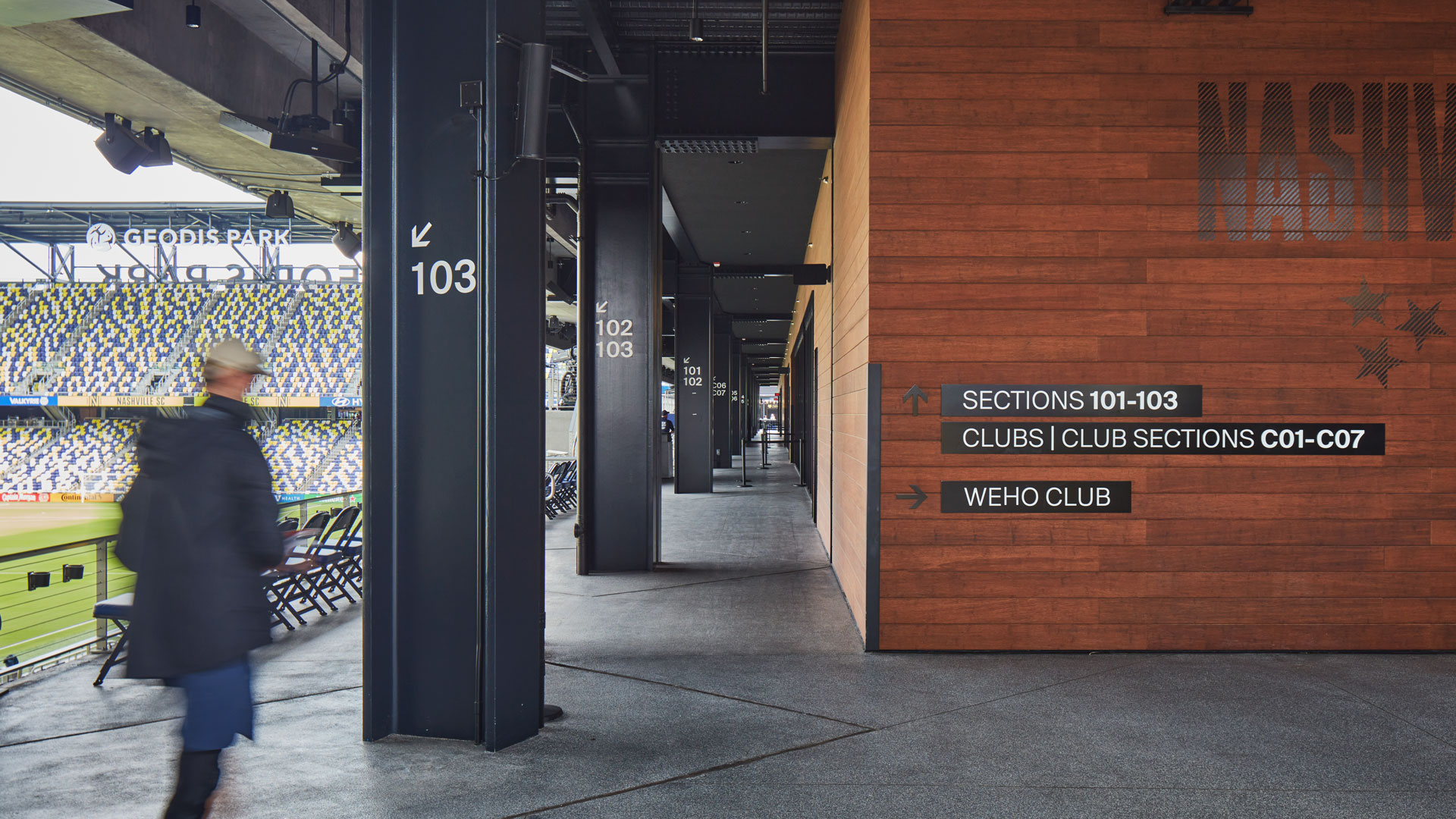
His projects have ranged from intricately detailed props and models to large-scale sets and environments. Outside the studio, he can still be found on film sets and is always looking for a new part of the world to visit. These solutions constitute active and/or passive tools, which can give direct guidance (active) but also trigger human reflex and emotion (passive). Ideally, wayfinding in a building or city should support all types of users, regardless of their different goals within a given environment.
Waar is Ekko? combined posters and signage for a music festival by Kok Pistolet
The elements of effective wayfinding include signage, lighting, color, materials, architecture, and technology. They can be used individually or in conjunction with one another for different environments. Provide signage at key decision points for effective wayfinding design. Especially at intersections where taking a wrong turn would waste time or if other visual/tactile cues aren’t enough to help the end-user make an informed decision. Using signage to lead people back to Nodes or Landmarks will further reinforce those locations in the end-user’s mental map. Starting from building wayfinding signage, retail wayfinding signage, and hospital wayfinding signage to hotel wayfinding signage, airport wayfinding signage and more.
Installation, Maintenance & Accessories
Our design theme, Heliotropic Growth extracts from the vertically reaching biophilic architecture design of Kengo Kuma’s Park Habitat. This inspiration derives from plant’s inclination towards the sun, and the ways in which each individual species evolves and adapts to harness the sun’s energy. Stephen Minning, Founder and Managing Director of BrandCulture, believes wayfinding is most powerful when combined with branding expertise. Without it, visitors can quickly become annoyed and frustrated with your business. After all, getting lost or being unable to find your destination is incredibly annoying. Weekly updates on the latest design and architecture vacancies advertised on Dezeen Jobs.
MISSION CITY CENTER
Sydney is in the midst of a wayfinding revolution, and we’re proud to be one of the studios that is leading the way. Our work touches the lives of tens of thousands of people every day, and we are passionate about seeing the process through from auditing, planning and design through to manufacturing and implementation. As an industry, we need to educate our clients about the value of wayfinding and why it deserves a budget of its own. We also need to explain how the best wayfinding systems adhere to best practice, and stand the test of time.
They reflect a brand’s personality and speak volumes about its identity. As a campus-scale project, the urban aspect of the Singapore University of Technology and Design needs to be considered for orientation. The hierarchical set-up throughout the urban, architectural and interior scales in building blocks, courtyards, circulation and programmes provides a coherent spatial framework for wayfinding. Accordingly, signage and colour coding further assist navigation through the campus. Wayfinding is an important aspect of design within different scales. It is defined by the use of spatial and environmental cues to move from one place to another.
Integrating traditional signage with digital solutions, such as mobile apps and interactive kiosks, can create a seamless navigation experience that connects people to their surroundings. These types of wayfinding signages are easy to spot and understand at a glance. Identification wayfinding signage designs always need to be more precise and straightforward. It aims to give individuals quick directions to reach their desired destination from their current location. In the hospitality sector, your choice of wayfinding signage significantly contributes to the overall guest experience.
Today we will explore the various wayfinding signage designs and their diverse applications. We call this part of the design process Wayfinding Strategy –how travelers can quickly come to understand and efficiently use the place. This type includes physical signs, maps, other non-digital elements and static digital images that provide users with essential information about their surroundings. These systems are cost-effective and need little maintenance, making them popular choices for many environments. However, they may not be as versatile or adaptable as some of the more advanced options. It reduces the stress and anxiety of navigating a new area or building.
DC Metro's Design Changes Aim to Aid Wayfinding and Boost Ridership - Bloomberg
DC Metro's Design Changes Aim to Aid Wayfinding and Boost Ridership.
Posted: Thu, 04 Apr 2024 07:00:00 GMT [source]
It’s much more than signage
They’re best utilized at intersections and territories without a reasonable traffic stream. When there is a narrative you want every user to view, this rule works well. Every possible route that the user might take across space should convey this crucial tale. This main path can open up opportunities for diversions, side trips, and research, which will eventually lead back to continuing the main narrative.
The Benefits of Positive User Experience
One can let their guard down with the understanding of the environment and these elements of certainty provide assurance and comfort. All aspects of the wayfinding profile assist in creating certainty for the user. Variety keeps things interesting while providing a functional breakdown of the overall experience into smaller more intimate experiences. These varying areas denoted by differing elements, carry the same DNA origins, but help with the user’s cognitive mapping of an environment.
If you’ve ever been desperate to use the restroom in an unfamiliar public space, you understand why wayfinding matters. Over and above the essentials – like bathrooms and exits – wayfinding ensures an effective and efficient traffic flow. In an era where every brand, organization, and institution is vying for people’s attention, custom wayfinding graphics and signage have become an indispensable element of commercial design.

UNStudio compiled a set of wayfinding tools developed and implemented in several projects across different typologies and scales. It’s centered around security and risk concerns and sets limits—what is and isn’t worthy in your offices. It’s utilized to set up and fortify guidelines, wellbeing principles, and protection desires.
FOUND created a new visual identity and experiential graphics program for MISSION CITY CENTER in the heart of Silicon Valley. It’s been almost 60 years since the term ‘wayfinding’ was introduced yet it remains one of the lesser-known fields of design. A thoughtfully designed naming system can spare you this hefty expense. A clean and straightforward design is the best way to convey essential information to visitors. They should be able to take in all the necessary details with a glance. Small text sizes, ornate fonts, and convoluted messaging can confuse (and annoy) visitors.
SALONE wants to provide an intellectual space for leaders of industry to collaborate together to bring open source innovation through AI, and not be dominated by AI. Let Them Play, a new brand that will revolutionize giving back to the less fortunate providing the ability to play team sports. Turning sales into sport equipment sent to all ends of the globe for teams to be able to play sports for the first time with proper nets, balls, shoes, and jerseys. Designing one of the only branding changes for Grand Central Market Los Angeles in 103 years, was an honor and pleasure as it is an icon of history for Los Angeles. Inspired by the rich history of agriculture in Santa Clara, the logo and signage program offers a minimal and refined approach to this office campus.
Understanding these challenges is crucial for designing a wayfinding system that accommodates the needs of all users. Auditory wayfinding can be used in conjunction with static wayfinding to provide a more accessible wayfinding experience for people with visual impairments. Examples of auditory wayfinding include spoken directions from a mobile app or strategically placed speakers that emit distinctive sounds to guide users along a path.


No comments:
Post a Comment